Hot Dog Pueblo CO Recommendations from Locals
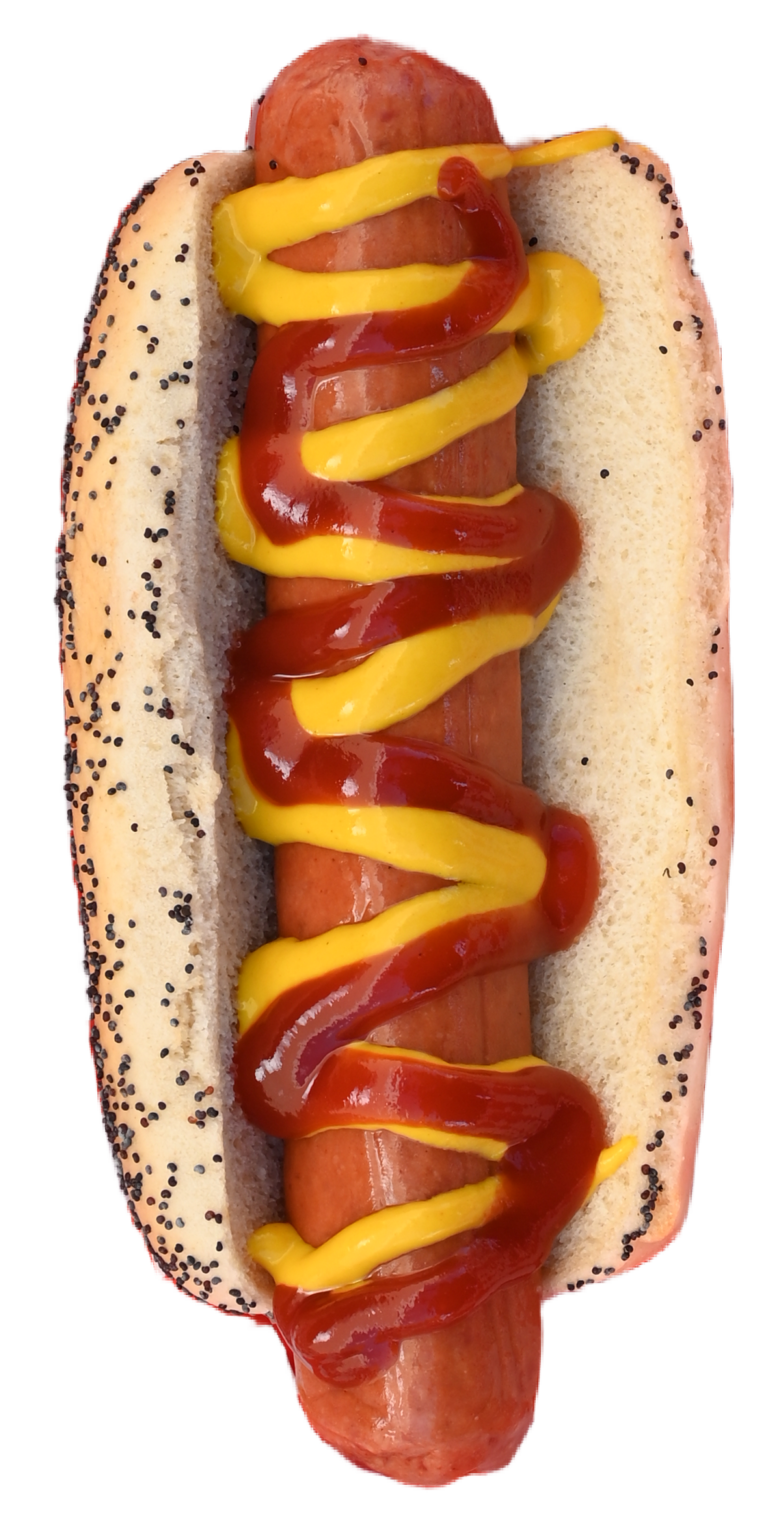
Pueblo does not treat a hot dog like a throwaway meal. That is the first thing an outsider should understand. In a lot of cities, a hot dog is what you grab because it is quick, cheap, and close by. In Pueblo, the better version is usually tied to something more specific: a ball game, a neighborhood stand, a late lunch after errands on the South Side, or a green chile craving that would be wasted on a plain bun and a squirt of mustard.
If you are looking for the best hot dog Pueblo CO locals would actually point you toward, the answer is not as tidy as one famous address. Pueblo’s food culture has always been broader and more regional than that. People here care about comfort, value, and heat. They care whether the bun holds up, whether the dog snaps, and whether the chile tastes like it came from a real pot rather than a steam table. They also care whether a place feels like Pueblo, which is harder to fake than most visitors realize.
That means local recommendations tend to sound less like tourism copy and more like real advice. Someone will tell you to skip the overbuilt version with ten random toppings. Another person will swear the right move is a chili dog at hot dog Pueblo CO a bar that also pours a solid beer. Someone else will insist that if you are in Pueblo and not trying a dog with green chile somewhere along the way, you are missing the point.
What makes a Pueblo hot dog worth ordering
A good Pueblo hot dog usually earns its keep through balance rather than novelty. The dog itself matters, of course. You want a proper casing if the place is aiming for an old-school feel, or at least a dog with enough seasoning to stand up to chile, onions, and mustard. But around Pueblo, toppings are where local judgment gets sharp.
Green chile changes the whole equation. It can turn a simple dog into something that feels tied to southern Colorado rather than copied from somewhere else. The problem is that not every green chile belongs on a hot dog. If it is too thin, it soaks the bun and leaves everything sloppy in the wrong way. If it is all heat and no body, it overwhelms the dog. The better versions have some depth, a little pork or stock flavor in the background if the recipe goes that route, and enough texture to stay put.
The bun matters more than people think. In dry Colorado air, stale bread shows up fast. Locals notice. A steamed or lightly toasted bun usually performs better here, especially when chile or chili enters the picture. The ideal bun has enough give to bite through cleanly but enough structure to finish the meal with dignity. Nobody wants to wear lunch.
Then there is price. Pueblo has always had a strong radar for whether a meal feels fair. A hot dog can absolutely be upgraded, but locals tend to resist paying gourmet-burger money for something that should still feel casual. If a place charges a premium, people expect premium execution. Better sausage, better toppings, cleaner flavors, and no shortcuts.
The local styles people actually look for
You can learn a lot about Pueblo food habits by paying attention to how people order hot dogs. The plain mustard dog still has a place, especially for kids or for anyone who wants the dog itself front and center. But most grown-up recommendations drift toward a few recognizable lanes.
One lane is the classic chili dog. This is still a staple for good reason. Done well, it is rich, salty, filling, and familiar. In Pueblo, locals usually want chili that tastes simmered, not sweet. They also want enough mustard and diced onion to cut through the heaviness. If the place adds shredded cheese, it should melt naturally into the chili rather than sit on top as a cold layer.
Another lane is the green chile dog, which feels more distinctly local. This is often the hot dog Pueblo CO visitors remember because it ties directly into the area’s strongest culinary identity. Even a simple all-beef dog can taste different once it gets that roasted chile character, especially if the cook knows when to stop and not bury everything under a ladleful.
Then there is the hybrid approach, where a place uses chili, green chile, or some local variation without getting too precious about naming conventions. Pueblo is practical that way. If it tastes good and feels generous, people care less about strict category labels.
Where locals usually steer you
The honest local answer is that Pueblo hot dog recommendations often depend on the kind of outing you are having. This is not a one-size-fits-all town. A dog that hits perfectly after a high school game is not necessarily the same one you would drive across town for on a Saturday lunch break.
If you ask around, you will often get pointed toward older drive-ins, family-run casual spots, bars with a small but dependable grill menu, and seasonal stands that know their audience. Pueblo has the kind of food culture where a place does not need a polished brand identity to build loyalty. It needs consistency, decent prices, and at least one menu item people start craving at the wrong time of day.
Ballparks and event venues matter more than they do in many cities. A hot dog at a game is never just about technical perfection. It is about timing, smell, crowd energy, and familiarity. That context counts. The same goes for county fairgrounds, community events, and local festivals, where grilled onions and roasted chile in the air can make a straightforward dog taste much better than it would under fluorescent lights.
Food trucks and temporary setups deserve attention too. Pueblo has enough crossover between street food habits and local chile culture that a truck can produce a better hot dog than a full restaurant, especially if the menu is short and the turnover is high. High turnover matters. For hot dogs, freshness is half the battle.
How locals separate a reliable spot from a forgettable one
People who eat locally and often tend to judge hot dog spots by a handful of details that tourists sometimes miss. The menu description tells you very little. The small habits tell you more.
A reliable spot usually gets the basic heat level right. The dog is hot all the way through, not lukewarm in the center. The toppings land where they should rather than being slapped on one side. The onions taste fresh. The mustard is not an afterthought. If there is chile involved, it tastes like something the kitchen actually pays attention to.
The strongest places also understand proportion. This sounds minor until you get a dog where the bun dwarfs the sausage, or the toppings drown out everything beneath them. Pueblo diners tend to appreciate generosity, but they also know the difference between a hearty serving and a messy one.
One quiet sign of quality is whether locals mention the fries, tots, or sides in the same breath as the hot dog. That usually means the whole operation is dialed in. A place that cares about oil temperature, seasoning, and timing on sides is often a safer bet for everything else on the menu too.
If you are ordering for the first time
For a first visit, it helps to order like someone who wants to understand the place rather than conquer the menu. Start with the house version if there is one. If the spot is known for green chile, trust that and order accordingly. If it looks more like an old-school chili dog place, do not overcomplicate it with extra toppings that turn the meal into a balancing act.
Here is the cleanest first-order approach locals tend to respect:
- Pick one signature dog rather than trying to customize from scratch.
- Ask whether the chile is mild, medium, or hot if the menu does not say.
- Get a side only if the place is known for it, otherwise keep the focus on the dog.
- Eat it there if possible, especially if chile is involved.
- Judge the bun last, because it tells you whether the kitchen understands the whole build.
That last point matters. Plenty of decent places serve a tasty dog but lose control once moisture enters the picture. The best spots manage the build from first bite to last bite.
The green chile question
Any real conversation about hot dogs in Pueblo ends up circling back to chile. Pueblo’s relationship with chile is not decorative. It is embedded in the local food identity, and that shapes expectations even for something as simple as a hot dog.
The challenge is that green chile can improve a dog or expose a weak one. A strong dog can stand up to chile and still taste like a hot dog. A weak one disappears hot dog Pueblo CO under it. That is why locals often prefer a dog with a little more salt and a firmer texture when chile is involved. The contrast gives the sandwich backbone.
Heat tolerance matters too. Outsiders sometimes assume they should order the hottest thing available to prove they are serious. That is usually a mistake. Better to order for flavor first. Pueblo chile done right has character, not just fire. If a place offers heat levels, medium is often the smartest starting point unless you already know your range.
There is also a practical issue: chile changes the pace of the meal. A mustard-and-onion dog can be eaten on the move. A green chile dog demands more attention, more napkins, and usually a place to sit. That may sound obvious, but it affects where and when locals recommend certain spots. Some dogs are errands food. Others are sit-down food.
Why bars, grills, and older casual spots often outperform trendier places
There is a pattern in towns like Pueblo. The restaurants doing the most polished marketing are not always the ones making the most satisfying hot dogs. Locals often trust bars, grills, and older casual spots because those kitchens understand repetition. They have cooked the same items hundreds or thousands of times. They know exactly how long to steam the bun, how much onion is enough, and whether their chile needs an extra minute before service.
These places also tend to understand who they are feeding. A lunch crowd wants speed and value. An evening crowd may want a chili dog with fries and a beer. A game-day crowd wants food that comes out hot and stays edible for more than three minutes. Experienced kitchens make those adjustments almost without thinking.
Trendier spots sometimes miss that rhythm. They may use excellent ingredients and still produce a less satisfying dog because the whole thing feels designed for a photo rather than a regular customer. Pueblo diners can spot that quickly. People here generally reward food that tastes grounded.
Timing matters more than people admit
One of the best pieces of local advice is to think about timing before you think about distance. A great hot dog at the wrong hour can disappoint. A very good hot dog at the right hour can feel perfect.
Lunch is usually the safest bet if you are trying a place for the first time. Turnover is better, buns are fresher, and the kitchen is fully awake but not slammed. Midafternoon can be a gamble unless the place does strong continuous traffic. Evening works well for bars and grills, especially if the hot dog is part of a broader comfort-food menu. Late-night can go either way. Sometimes you get a beauty. Sometimes you get a dog that has been coasting too long.
Season matters in Pueblo too. Cold weather makes chili dogs and chile dogs feel especially right. During hotter months, people often lean simpler, unless they are at an event where indulgence is part of the fun.
What visitors often get wrong
Visitors searching for the best hot dog Pueblo CO has to offer sometimes make the same three mistakes. First, they assume the best version must come from the most specialized place. Not always. In Pueblo, a hot dog can shine at a spot better known for burgers, beers, or comfort food generally.
Second, they overbuild the order. A hot dog is not a test of how many toppings fit on a bun. Once you add too much, you stop tasting the place’s actual style. A local recommendation usually comes with implied restraint.
Third, they treat local chile like a souvenir ingredient rather than part of a working food culture. You do not need to force chile onto every order. But when a place does it well, you should absolutely try it once, because that is where Pueblo starts sounding like Pueblo.
Good signs when you walk in
If you are deciding on the fly, a few signals can help without requiring insider knowledge.
Look at who is in the room. If you see workers on lunch, retirees who clearly know the staff, and people ordering without studying the menu for ten minutes, that is a good sign. It suggests the place functions as part of daily life rather than just as a stop for passersby.
Watch what comes out of the kitchen. Are the buns intact? Are people eating with satisfaction instead of immediately reaching for a stack of napkins in panic? Does the food look built with confidence? Those cues matter.
Pay attention to smell. A room that smells like grilled onions, toasted bread, and simmered chili usually delivers better than one that smells mainly of fryer oil.
Finally, notice whether the menu seems honest. Honest menus are underrated. If a place claims every item is famous, none of them are. If it quietly offers a hot dog, chili dog, and green chile dog among a small group of other dependable foods, that often means the kitchen understands its lane.
A few local-minded ways to order
Not every eater wants the same experience, and Pueblo is broad enough to support different styles. If you want the version a longtime resident might choose on an ordinary weekday, order a straightforward chili dog or green chile dog and keep the extras limited. If you want something family-friendly, go simpler and add fries or tots. If you are pairing with a beer, richer toppings make more sense, especially in the evening.
For the diner who wants the local angle without turning lunch into a challenge, these are usually safe choices:
- An all-beef dog with mustard, onion, and green chile.
- A classic chili dog with onion and just enough cheese to melt in.
- A plain or lightly dressed dog if you want to judge the kitchen before committing.
- A combo meal at a longstanding casual spot where sides are taken seriously.
- A ballpark or event dog when atmosphere matters as much as technique.
That last one is not a compromise. Some of the most memorable hot dogs are tied to place and timing, not refinement.
Pueblo value, and why it still matters
One thing locals rarely say outright but always factor in is value. Pueblo has a practical streak. People respect food that delivers. They also remember when a spot charges too much for too little. A hot dog may be a humble item, but that makes value even more visible, not less.
A fair price does not have to mean cheap. If a place uses a better sausage, fresh toppings, and house chile, a slightly higher tab makes sense. But the experience should feel complete. That might mean the bun is better. It might mean the side portion is generous. It might mean the chile tastes like someone cared. Whatever the case, the meal has to justify itself in real terms.
That value mindset is one reason local recommendations stay grounded. People are not just chasing novelty. They are measuring whether a place is worth returning to on a random Tuesday, which is a much tougher standard than being worth posting once online.
The real takeaway from locals
Ask enough Pueblo residents where to get a hot dog and you will hear different names, but the same standards show up again and again. Fresh bun. Proper heat. Honest toppings. Good chile if the place offers it. Fair price. No nonsense. That is the center of gravity.
So if you are hunting for the best hot dog Pueblo CO can offer, stop looking for a single universal winner and start looking for a place that matches the Pueblo way of eating. Find somewhere with regulars. Order the style the kitchen seems built around. Give green chile a chance if the house does it well. Eat it fresh. Pay attention to the small details.
That is how locals do it, and most of the time, it leads to a better lunch than any top-ten list.
Under Construction Hot Dogs
Address: 1225 W U.S. Hwy 50, Pueblo, CO 81008
FAQ About Hot Dog Pueblo CO
Why is it called a hot dog?
A hot dog gets its name from a 19th-century joke comparing long, thin sausages to dachshund dogs and mocking their cheap meat content.
Is hotdog non-veg?
Yes, traditional hot dogs are non-vegetarian because they are made from meat trimmings like pork, beef, chicken, or turkey.
What exactly is in a hot dog?
Hot dogs are cooked and smoked sausages made from finely ground, emulsified meat trimmings mixed with water, fat, spices, and preservatives.
Ends · KNOXXPOW382