Discover the Best Hot Dog in Pueblo CO Today


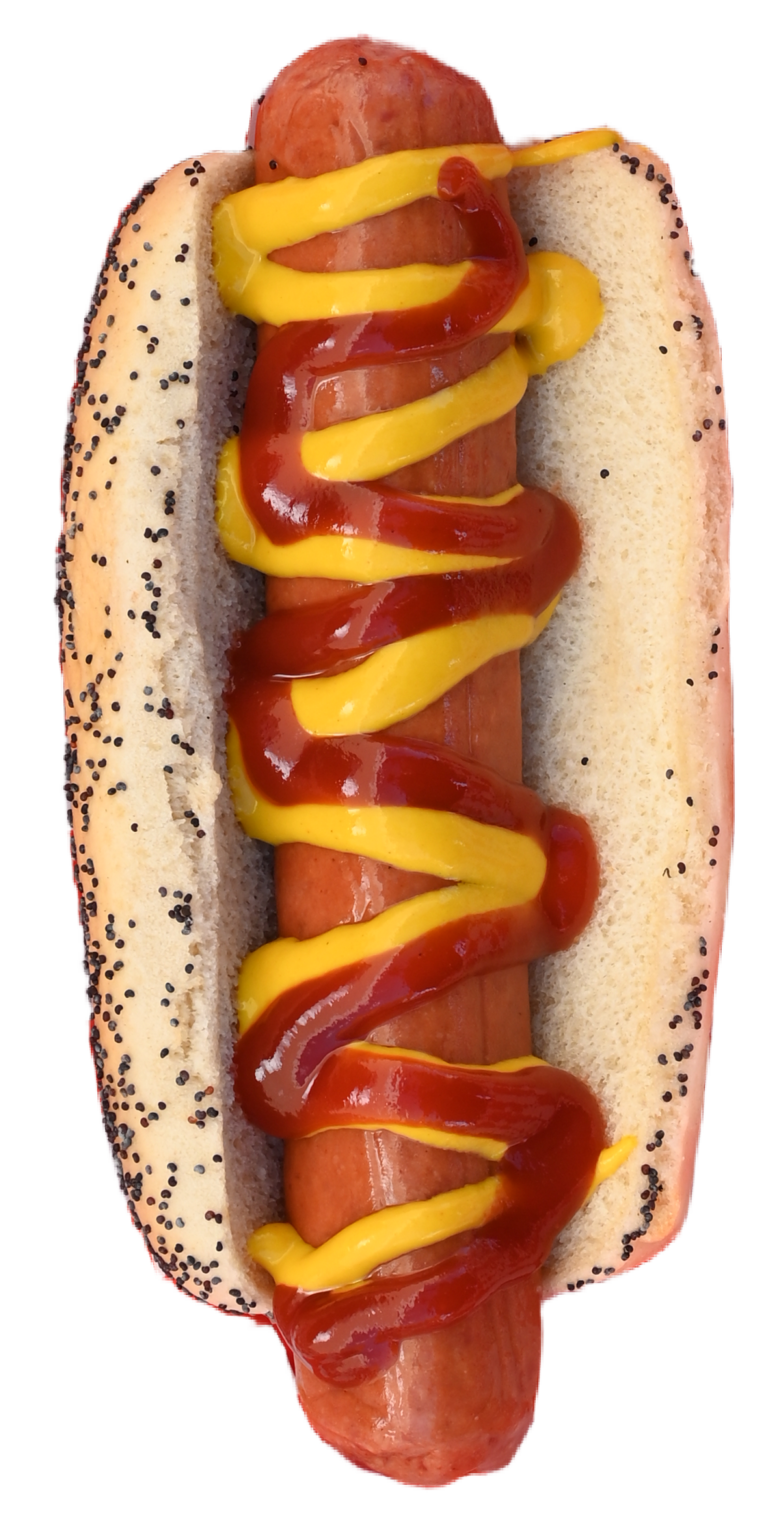
Finding a great hot dog sounds simple until you start taking it seriously. Then everything matters. The snap of the casing. The warmth of the bun. The way mustard hits first and gives way to smoke, salt, and beef. In a town like Pueblo, where people know the difference between decent food and food worth driving across town for, the bar is higher than outsiders expect.
Pueblo has always had a practical food culture. People here appreciate meals that are honest, filling, and full of character. That makes it a strong hot dog town, even if burgers and green chile usually get more attention. A good hot dog in Pueblo is not just a quick lunch. It is a small test of whether a kitchen cares about the details.
If you are looking for the best hot dog Pueblo CO has to offer, the smartest approach is not to chase hype alone. It is to understand what makes a hot dog memorable in this city, where local taste leans bold, unpretentious, and deeply rooted in regional flavor.
Why Pueblo is better for hot dogs than people assume
A lot of cities can serve a hot dog. Fewer cities know how to make one feel local. Pueblo does, mostly because local diners bring a specific set of expectations to the table. Food here should taste like someone meant it. There should be enough heft to justify the stop, enough flavor to stand on its own, and enough personality that you remember where you had it.
That matters because hot dogs are easy to get wrong. Some places treat them as an afterthought on the kids' menu or a low-effort side item near the fryer. In those spots, the bun comes steamed into mush, the dog sits too long on a roller, and the toppings feel cold and careless. A hot dog can survive mediocre handling, but it cannot become special that way.
Pueblo rewards the places that go further. The better versions usually come from kitchens that understand texture and balance. They know a hot dog should be fast, but never rushed. The bun should hold together. The sausage should taste like meat rather than salt. The toppings should sharpen or deepen the Under Construction Hot Dogs hot dog Pueblo CO flavor, not bury it.
There is also the local factor. Pueblo diners tend to appreciate heat, smoke, and savory depth. That opens the door to a style of hot dog that feels more distinctive than the standard ballpark version. A dog topped with roasted Pueblo chile, a spoonful of green chile, or even a bit of charred onion has a different presence. It belongs here.
The anatomy of a truly great hot dog
When people argue over the best hot dog in town, they usually focus on toppings. Toppings matter, but the real quality starts underneath them.
The sausage itself does most of the work. Beef-forward flavor usually wins, especially if the dog has enough spice and enough smoke to stand up to mustard, onions, or chile. Texture is just as important. A hot dog should resist the first bite slightly, then give way cleanly. If it feels soft all the way through, it loses drama. If it is rubbery, the kitchen has probably overcooked it or started with a product that was never going to shine.
The bun gets less respect than it deserves. In practice, it can make or break the whole experience. A good bun in Pueblo needs enough structure to survive sauce and toppings, especially if green chile enters the picture. It should be warm, not stale, and ideally lightly toasted or steamed just enough to support the dog without turning into paste. I have had hot dogs with excellent sausage ruined by weak bread. That is not a small flaw. It is the whole delivery system failing.
Then come the toppings. On a basic dog, mustard, onions, and relish can still be perfect if the proportions are right. But Pueblo gives you room to think beyond basic. Green chile, grilled onions, shredded cheese, slaw, and jalapenos can all work, though not every combination should. The best shops know when to stop. One of the most common mistakes is crowding the bun with so much wet topping that the hot dog disappears. That is not generosity. That is confusion.
If you want a quick way to judge quality, pay attention to these points:
- The dog should be hot all the way through, with a casing that still has some bite.
- The bun should feel fresh and sturdy, not dry at the edges or soggy at the base.
- Toppings should taste intentional, not scooped on from a generic prep tub.
- The first two bites should be as balanced as the last two.
- You should be able to identify the flavor of the dog itself, even with toppings.
That last point matters more than most people realize. If you cannot taste the dog, you are not eating a great hot dog. You are eating a topping pile in a bun.
Pueblo flavor changes the game
Pueblo's strongest contribution to hot dog culture is not reinvention. It is regional confidence. This is a city that knows its chile. That one fact reshapes the menu possibilities.
A hot dog topped with green chile can be deeply satisfying, but only if the chile has body and character. Thin, watery chile turns the bun limp and drags the whole thing down. Good green chile adds warmth, richness, and that slow-building heat Pueblo locals expect. It should complement the dog, not smother it.
Roasted Pueblo chiles can be even better in some cases. They bring a cleaner pepper flavor and a touch of sweetness under the heat. Paired with grilled onions hot dog Pueblo CO and a little mustard, they create a hot dog that tastes regional without becoming fussy. It still feels like a street-food classic, just adapted to local instincts.
There is a broader lesson there. The best hot dog in Pueblo will probably not be the one that imitates another city's signature exactly. Chicago has its style. New York has its style. Detroit has its style. Pueblo should taste like Pueblo. That might mean chile, smoke, toasted buns, or a stronger emphasis on savory depth than sweetness. It may also mean side dishes that complete the meal in a local way, like crispy fries, onion rings, or a hearty drink that can keep up with spice.
Where to look in Pueblo for a standout hot dog
The smartest hot dog hunters do not search only in one category of restaurant. In Pueblo, a worthy dog can come from several directions.
Classic diners are often a good bet because they understand the rhythm of lunch service and usually have enough grill skill to build flavor into simple foods. A diner that treats breakfast seriously often treats hot dogs seriously too, especially if the kitchen handles onions, buns, and griddled items with care.
Sports bars can surprise you, particularly during lunch or early evening when the grill is active and the menu leans into comfort food. The trade-off is consistency. Some bars produce a very good hot dog when the kitchen is focused, then slide into average performance on a busy game night.
Local stands, trailers, and casual counters may offer the best upside. These operations often keep the menu tight and put real thought into one or two signature dogs. That focus tends to show. If a stand has only a handful of topping combinations but people keep lining up, pay attention.
Family restaurants are another category worth checking. In places where the menu spans burgers, sandwiches, plates, and breakfast, the hot dog can still shine if it reflects local taste. A family-run restaurant that makes its own chile or prides itself on grilled meats may produce a better hot dog than a more obviously trendy spot.
The key is not to assume formality equals quality. Some of the most satisfying hot dogs come wrapped in paper, served with fries, and eaten in ten minutes at a counter by the window.
Timing matters more than most diners think
A hot dog is one of the few foods where timing can change quality dramatically. That does not mean you need to plan your day around it, but it helps to know when kitchens are at their sharpest.
Lunch is usually the safest window. Buns are fresh, toppings are newly prepped, and the grill has not yet been overloaded by a dinner rush. The food tends to come out fast, which suits a hot dog perfectly. There is a sweet spot between speed and care, and many places hit it around midday.
Late afternoon can be less reliable. Depending on the restaurant, you may catch a lull when ingredients have been sitting or the staff is resetting for dinner. At some stands and bars, though, that is the best time because the kitchen has breathing room and can give more attention to individual orders.
Busy nights create a mixed picture. Energy is high, and a popular place can feel exciting, but the margin for error gets wider. This is when buns split, toppings become uneven, and fries spend too long under the heat lamp. If you are trying a place for the first time and want a fair read on its hot dog, lunch is usually the better audition.
What to order if you want the most honest test
For a first visit, I rarely recommend starting with the most overloaded item on the menu. Signature dogs can be excellent, but they also make it harder to tell whether the fundamentals are sound. A truly good shop should be able to impress with a plain or lightly dressed dog.
My usual move is to start with mustard and onions, or mustard, onions, and a regional topping if the place is known for one. In Pueblo, that often means some form of chile. If the dog is good under that setup, the rest of the menu becomes much more promising.
If you want a fuller meal, pairings matter. A hot dog with excellent fries can push a place from good to worth repeating. Crisp onion rings do the same. Slaw can work well too, especially with a spicy or smoky dog, because it cools the palate and adds crunch.
These are the combinations that tend to work best:
- A classic beef dog with mustard and onions, for judging the basics.
- A chile-topped dog, if the house green chile is a point of pride.
- A grilled-onion and jalapeno dog, for a sharper, drier heat profile.
- A chili cheese dog, but only if the chili is thick enough to stay in place.
- A simple dog with fries and a fountain drink, which remains one of the best-value lunches in town.
There is nothing flashy about that last combination, and that is the point. A shop that can nail a simple hot dog basket usually understands comfort food at a deeper level.
Red flags that separate average from excellent
Some warning signs show up before the first bite. A menu with too many novelty combinations can mean the kitchen is relying on toppings to hide a weak base. That is not always true, but it often is. If every dog comes buried in cheese sauce, fried add-ons, and heavy condiments, you have to wonder what they are compensating for.
Watch for how the food arrives. If the bun is flattened under the dog or split from moisture, handling was sloppy. If the onions are icy cold and the dog is lukewarm, the order was assembled without any sense of temperature contrast. These seem like small details until you taste them. Then they become the whole story.
Pricing also tells you something, though not always what people assume. A higher-priced hot dog can be justified if the sausage quality is better, the toppings are house-made, or the portion is substantial. But price alone does not predict satisfaction. I have had expensive gourmet dogs that tasted muddled and cheap, and straightforward counter-service dogs that were nearly perfect. Value is not about spending less. It is about getting care, flavor, and enough substance for the money.
The local palate favors balance over gimmicks
Pueblo has strong food traditions, and that shapes what tends to win over repeat customers. People here generally do not need a hot dog to be turned into a social media stunt. They want it hot, flavorful, and worth coming back for. That preference keeps some local menus grounded in a good way.
Balance is what separates a novelty dog from a satisfying one. A little char from the grill, a warm bun, a spoonful of well-made chile, and a few crisp onions can do more than six toppings fighting each other. The same principle applies to spice. Pueblo diners often enjoy heat, but heat without flavor gets old fast. A better hot dog uses chile to deepen the bite, not just to prove a point.
This is one reason regional adaptation matters. A Pueblo-style hot dog does not need to announce itself loudly. If it uses local ingredients or local instincts well, people will notice without being told.
How to decide whether a place deserves a second visit
The first visit tells you whether a place can make a good hot dog. The second tells you whether it can make one consistently. That distinction matters. Plenty of spots produce one great meal and then coast. The best local places repeat their quality often enough that regulars stop thinking of them as a gamble.
Consistency shows up in small ways. Does the bun feel just as fresh on a weekday as it did on Saturday? Is the chile the same from one week to the next? Do the fries stay crisp, or do they vary wildly based on who is working the fryer? If you are serious about finding the best hot dog Pueblo CO can offer, consistency should count almost as much as peak quality.
I also pay attention to whether the kitchen seems to know what kind of place it wants to be. The strongest operations have a point of view. Maybe they lean classic. Maybe they lean into chile. Maybe they keep the menu stripped down and focus on execution. That self-awareness usually translates into better food.
The case for keeping your standards high
A hot dog is inexpensive compared with many restaurant meals, which sometimes makes diners more forgiving than they should be. That is a mistake. Simpler food deserves standards just as much as ambitious food. Maybe more. When a kitchen has fewer components to work with, every flaw is easier to detect.
That is why a great hot dog can be so satisfying. It proves that a place respects the basics. It also explains why people become loyal to specific spots. Once you find a dog with the right snap, the right bun, and the right touch of Pueblo character, you measure every other one against it.
For locals, that can turn into ritual. A fast lunch between errands. A post-game stop. A no-fuss dinner when you want something warm and dependable. For visitors, it can become one of those unexpectedly memorable meals that says more about a city than a polished dining room ever could.
Finding your own favorite in Pueblo
The best way to discover your personal winner is to try a few places with a clear standard in mind. Do not chase only the biggest portions or the wildest toppings. Pay attention to texture, temperature, and restraint. See which places understand that a hot dog should be comforting but never lazy.
Pueblo is a city where regional flavor still means something. That gives local hot dogs a real chance to stand out. When a kitchen combines a quality sausage, a fresh bun, and the right use of chile or grilled toppings, the result feels specific to this place. Not copied. Not overdesigned. Just well made.
If you are hungry today and searching for the best hot dog Pueblo CO can deliver, trust the spots that value fundamentals and local flavor in equal measure. The winner may come from a diner, a family-run counter, a bar with an unexpectedly sharp grill cook, or a modest stand that has quietly built a following. The common thread is care.
That is what the best hot dog in Pueblo tastes like. Care in the bun, care on the grill, care in the toppings, and just enough local swagger to make the meal worth remembering.
Under Construction Hot Dogs
Address: 1225 W U.S. Hwy 50, Pueblo, CO 81008
FAQ About Hot Dog Pueblo CO
Why is it called a hot dog?
A hot dog gets its name from a 19th-century joke comparing long, thin sausages to dachshund dogs and mocking their cheap meat content.
Is hotdog non-veg?
Yes, traditional hot dogs are non-vegetarian because they are made from meat trimmings like pork, beef, chicken, or turkey.
What exactly is in a hot dog?
Hot dogs are cooked and smoked sausages made from finely ground, emulsified meat trimmings mixed with water, fat, spices, and preservatives.
Ends · KNOXXPOW382